T2
Specifications
Overview
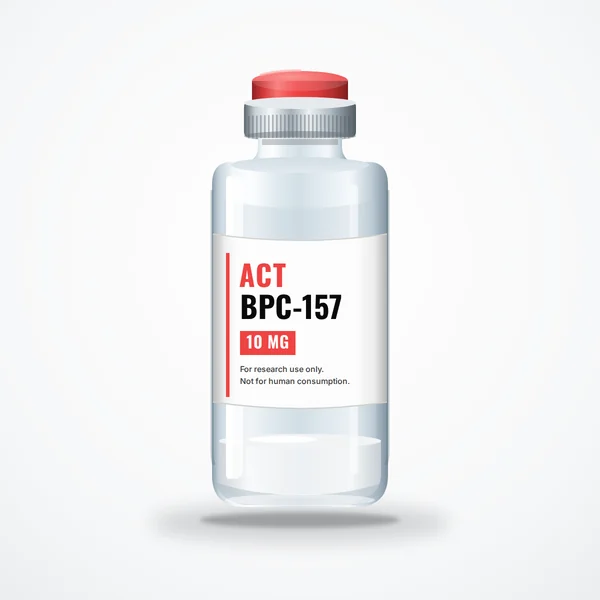
T2 is a synthetic 39-amino-acid peptide engineered as a dual agonist at the glucose-dependent insulinotropic polypeptide (GIP) receptor and the glucagon-like peptide-1 (GLP-1) receptor. Its backbone is based on the native GIP sequence with substitutions that confer GLP-1 receptor activity, plus a C20 fatty diacid moiety that promotes albumin binding and extends circulating half-life in animal models. It is the reference dual incretin agonist in current metabolic research. ACT Peptides supplies T2 as a 10 mg lyophilized vial — the entry strength of three — for laboratory research.
Mechanism and Research Focus
The scientific interest in T2 lies in its unbalanced agonism: published characterization reports greater potency at GIPR than at GLP-1R, an asymmetry that distinguishes it from balanced dual agonists and is thought to shape its metabolic profile. GLP-1R signaling is associated in the literature with glucose-dependent insulin secretion, slowed gastric transit, and central appetite regulation, while GIPR signaling contributes additional insulinotropic effect and has been studied for direct actions on adipose tissue. A methodologically important detail is that T2 shows biased signaling at GLP-1R, favoring cAMP generation over β-arrestin recruitment, which is an active area of receptor-pharmacology research.
What the Literature Examines
The preclinical record covers receptor-binding and signaling characterization in transfected cell systems, rodent models of diet-induced obesity and impaired glucose tolerance, adipose-tissue biology, and hepatic lipid studies. A large clinical literature exists for approved pharmaceutical products containing this compound. That clinical evidence pertains to those approved products in their approved populations; it is not evidence about research-grade material and should not be cited as such in laboratory work.
Laboratory Handling and Storage
Supplied lyophilized. Store sealed vials at −20 °C protected from light; 2–8 °C acceptable for short-term storage. As a lipidated peptide, T2 dissolves more slowly than unmodified peptides and can foam if agitated — add solvent slowly along the vial wall, swirl gently, and allow the solution time to clarify rather than shaking. The fatty acid moiety also promotes surface adsorption, so low-binding labware and carrier protein (where assay-compatible) help maintain concentration in dilute preparations. Refrigerate reconstituted solution and aliquot for repeated use.
Experimental Design Considerations
Receptor characterization should assay GIPR and GLP-1R separately in individually expressing cell lines, reporting potency at each — this is the only way to document the unbalanced agonism that defines the compound. Where biased signaling is the question, cAMP accumulation and β-arrestin recruitment assays must be run in parallel on the same system. In-vivo metabolic designs typically pair body-composition measurement with glucose and insulin tolerance testing, and should include pair-fed controls to separate food-intake-mediated effects from direct metabolic ones. A GLP-1R-selective comparator arm is valuable for isolating the GIPR contribution. State clearly in methods that research-grade material was used.
Regulatory Status
Approved pharmaceutical products containing this compound exist in the United States for specific indications. This listing is research-grade material, not an approved pharmaceutical, and is supplied strictly for laboratory research use. Not for human or veterinary use.